
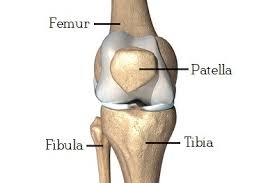
 What is Patellofemoral Pain Syndrome?
Patellofemoral Pain Syndrome (PFPS), commonly called Runner’s Knee, is one of the most frequent causes of front-of-knee pain. It occurs when the kneecap (patella) doesn’t glide properly in its groove on the femur (thighbone), leading to irritation of the surrounding structures.
While it’s often associated with runners or gym-goers, PFPS can affect anyone — especially those with poor lower limb alignment or muscular imbalances.
What Causes It?
PFPS typically results from overuse, poor mechanics, or a combination of both.
Common contributing factors include: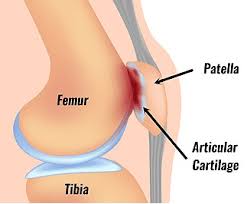
- Repetitive stress (e.g. running, squatting, stairs)
- Weakness in the glutes or quadriceps
- Tightness in ITB, hamstrings, or calves
- Foot overpronation (flat feet) or unsupportive footwear
- Sudden increases in training volume or intensity
These factors can all contribute to poor tracking of the patella, increasing pressure and pain.
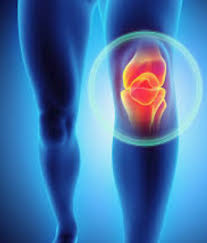 Common Symptoms
- You might be experiencing PFPS if you notice:
- A dull, aching pain at the front of your knee
- Pain that worsens with stairs, squatting, or prolonged sitting (a.k.a. “movie sign”)
- Clicking, grinding, or a feeling of the knee being “off track”
- Stiffness or discomfort after long activity
- It’s often one of those conditions that starts subtly but can become persistent without proper care.
How is it treated?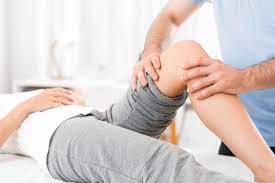
The good news is that PFPS responds well to conservative management. Key treatment strategies include:
- Reducing or modifying aggravating activities (not stopping movement entirely)
- Strengthening weak muscle groups, especially the glutes and quads
- Stretching tight muscles like the ITB, quads, and calves
- Improving foot alignment with orthotics or footwear changes
- Gradual return to full activity with better movement mechanics
 How Physiotherapy Can Help
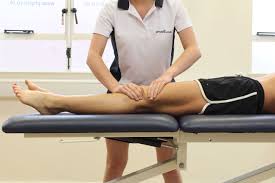
A physiotherapist can assess your individual biomechanics, muscle control, and movement patterns to create a personalised rehab plan.
At Movement Science, we focus on:
Targeted strength programs
Manual therapy for joint and soft tissue mobility
Taping or bracing (if needed)
Education on pacing, footwear, and form
Long-term strategies to avoid recurrence
Need Help with Knee Pain?
You don’t have to live with that nagging ache every time you squat, run, or take the stairs. Early intervention is the key to preventing long-term problems.
Call us at (02) 8540 7319
Email [email protected]
Or book online