
Knee pain that flares up when you squat, twist, or turn? You might be dealing with a meniscus injury — a common and often misunderstood condition that affects people of all ages, from athletes to active older adults.
In this post, we’ll break down what the meniscus does, how injuries happen, what symptoms to look for, and how physiotherapy can support your recovery.
What Is the Meniscus?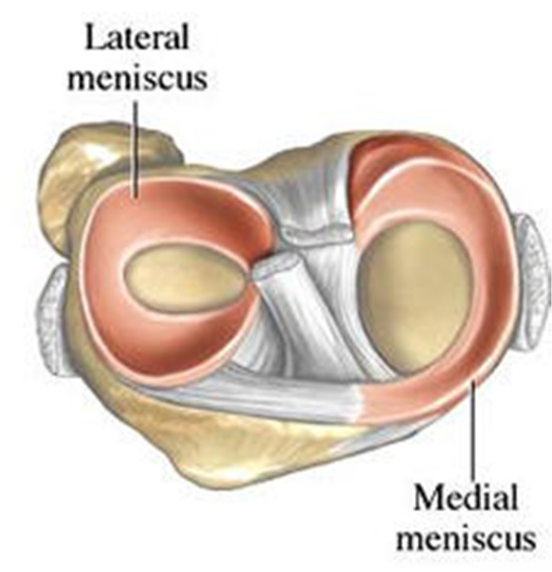
The meniscus is a C-shaped piece of cartilage inside your knee joint.
Each knee has two menisci:
-
The medial meniscus on the inner side
-
The lateral meniscus on the outer side
These structures act as shock absorbers, cushioning the space between your thighbone (femur) and shinbone (tibia), and helping distribute load during movement.
What Causes a Meniscus Injury?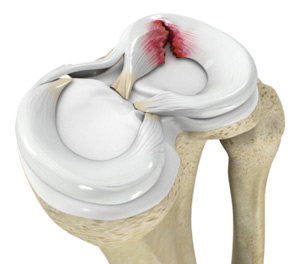
Meniscus injuries occur when the cartilage is torn or damaged, usually from:
-
Sudden twisting or pivoting motions (often during sports)
-
Squatting or lifting with poor technique
-
Age-related degeneration (especially over age 40)
-
Weakness or instability in the hips or knees
Both acute injuries (like during sport) and degenerative changes (from wear and tear) can lead to tears.
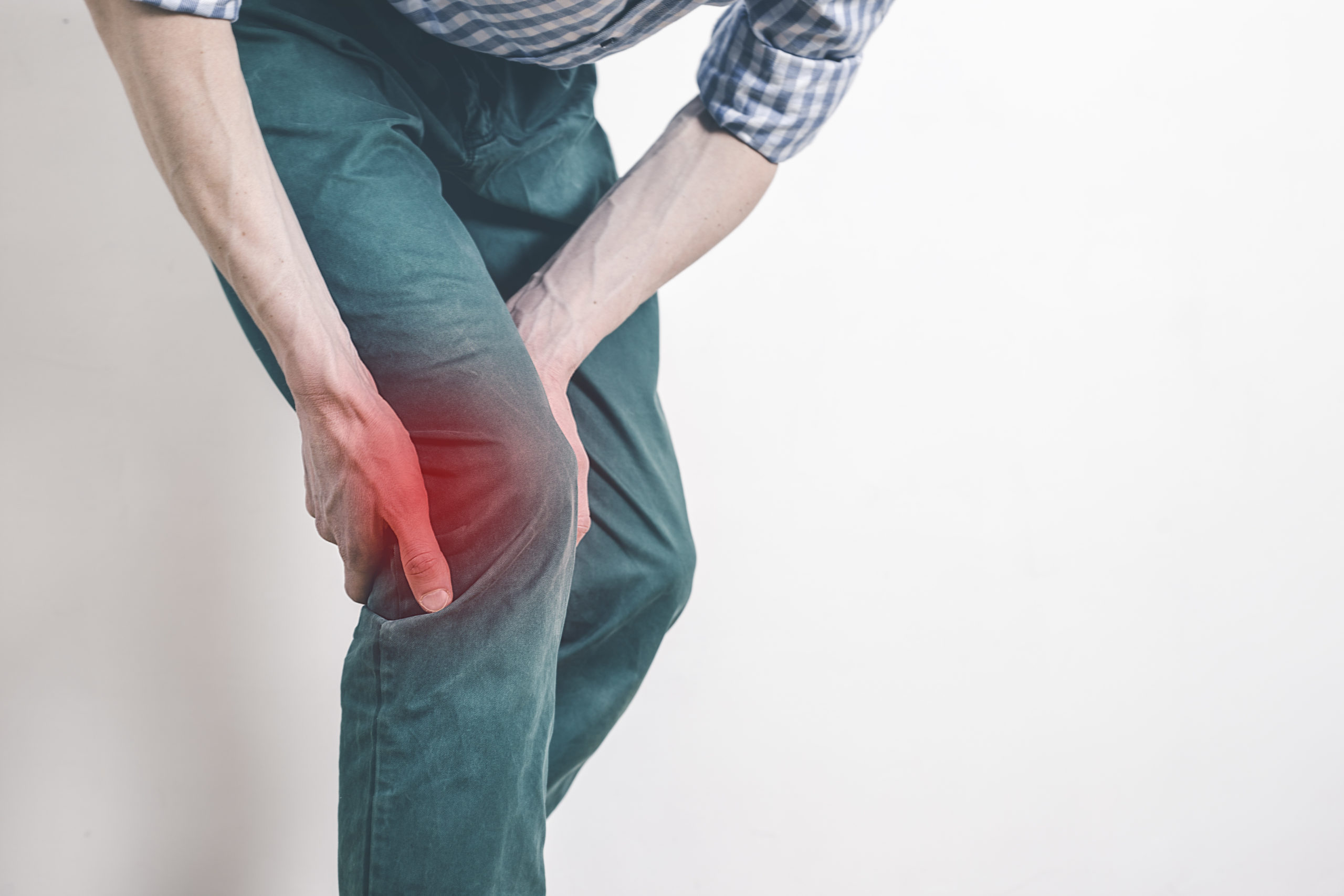 Common Symptoms of Meniscus Tears
A meniscus tear doesn’t always feel dramatic at first. Here are the key signs:
-
Sharp pain or a “pop” at the time of injury
-
Swelling or stiffness that develops over hours or days
-
A locking, clicking, or catching feeling in the knee
-
Pain when squatting, twisting, or going up/down stairs
If these symptoms persist, it’s important to seek early assessment.
Meniscus Injury Treatment Options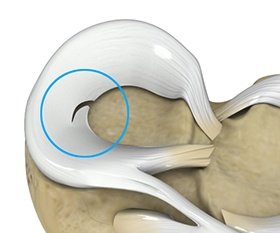
Treatment varies depending on the type and severity of the tear:
-
Mild tears may respond well to rest, ice, and physiotherapy
-
Moderate cases might require bracing and a targeted rehab plan
-
Severe or complex tears (especially if locking occurs) may need an orthopaedic referral and possible surgery
The earlier you seek treatment, the better your chances for a smooth recovery and long-term knee health.
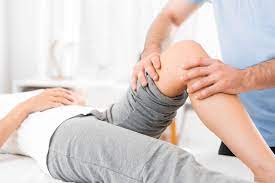 How Physiotherapy Can Help with Meniscus Injuries
Physiotherapy plays a crucial role in both rehabilitating meniscus injuries and preventing future damage.
A physio can help you:
✅ Reduce pain and inflammation
✅ Restore knee mobility and flexibility
✅ Strengthen key muscles around the knee, especially the quads, glutes, and hamstrings\
✅ Improve joint control and balance
✅ Guide a safe return to sport, work, or daily activity
At Movement Science, our team tailors each program to your individual needs — whether you’re recovering from a new tear or managing long-standing knee discomfort.
Ready to Take Care of Your Knees?
Don’t let a meniscus injury slow you down.
Early treatment and the right rehab can make a huge difference in your comfort, mobility, and confidence.
⇒ Book an assessment with our physiotherapy team today:
(02) 8540 7319 | [email protected]