
Do you experience shoulder pain when reaching overhead, lifting objects, or sleeping on your side?
You may be dealing with rotator cuff tendinopathy, one of the most common causes of shoulder pain. Whether you’re active in the gym, working at a desk, or simply performing everyday tasks, shoulder pain can significantly affect your quality of life.
Let’s take a closer look at what rotator cuff tendinopathy is, why it occurs, and how physiotherapy can help.
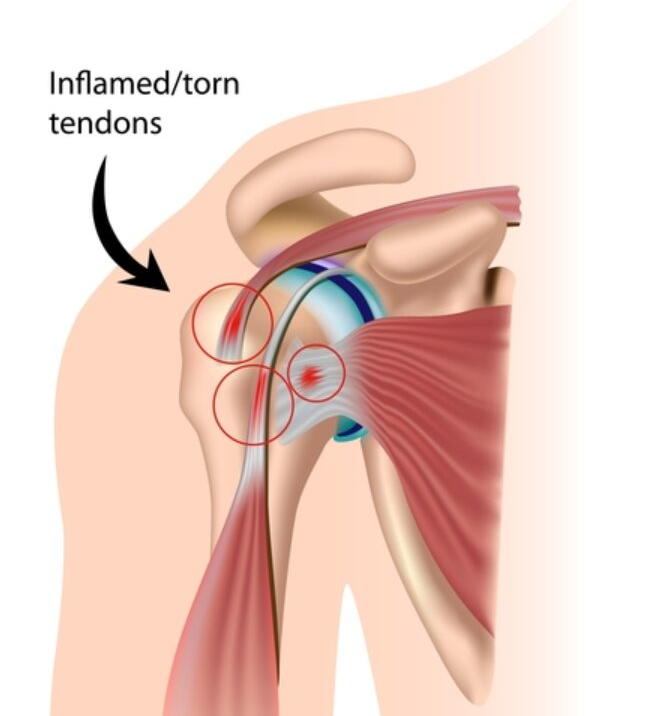
What is Rotator Cuff Tendinopathy?
The rotator cuff is a group of four muscles and tendons that surround the shoulder joint. These muscles work together to stabilise the shoulder and help control arm movements.
Rotator cuff tendinopathy occurs when one or more of these tendons become irritated, overloaded, or degenerative over time. Rather than a sudden injury, it often develops gradually due to repetitive strain or prolonged stress on the shoulder.
What Causes Rotator Cuff Tendinopathy?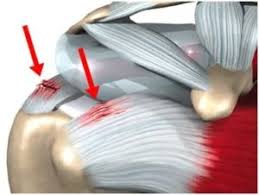
Several factors can contribute to the development of rotator cuff pain, including:
- Repetitive overhead activities
- Poor posture, especially prolonged desk work
- Weakness in the shoulder or upper back muscles
- Sudden increases in activity or training volume
- Age-related tendon changes
- Reduced shoulder mobility
People who regularly perform overhead movements, such as swimmers, tennis players, gym-goers, painters, and tradespeople, may be at higher risk.
 Common Symptoms
Rotator cuff tendinopathy often develops gradually. Common symptoms include:
- Pain on the outside or front of the shoulder
- Pain when reaching overhead
- Difficulty lifting or carrying objects
- Discomfort when lying on the affected side
- Weakness during shoulder movements
- Pain that worsens after activity
If left untreated, symptoms may become more persistent and begin to affect daily activities.
Treatment Options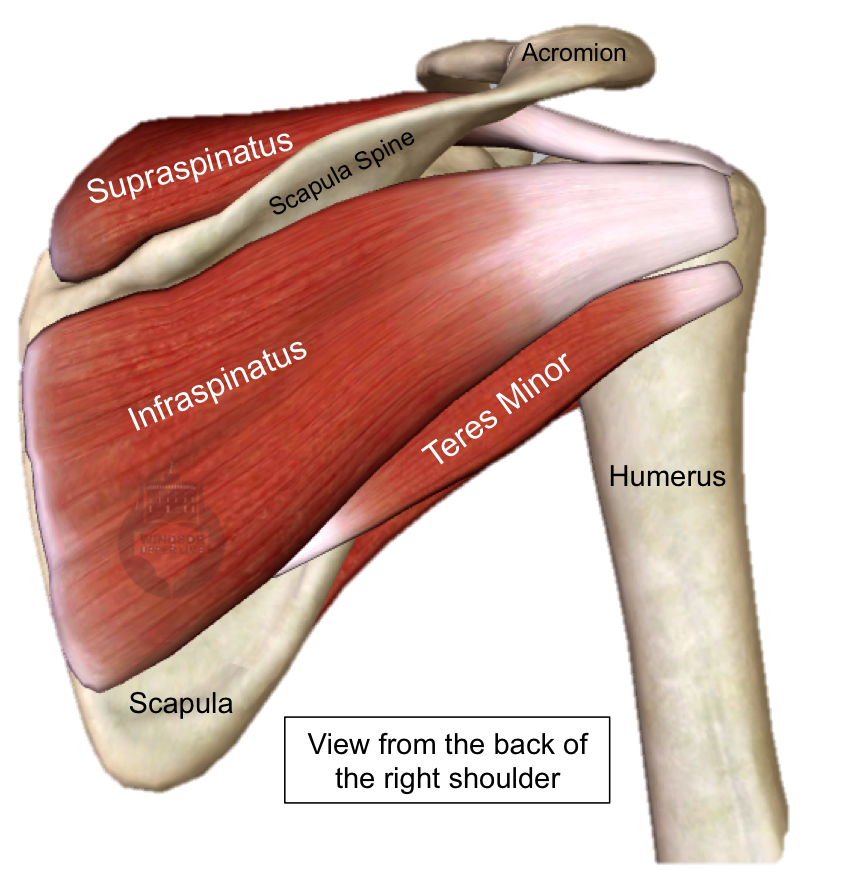
The good news is that most cases of rotator cuff tendinopathy respond well to conservative treatment.
Management may include:
- Activity modification to reduce aggravating movements
- Progressive strengthening exercises
- Improving shoulder and upper back mobility
- Manual therapy
- Postural correction
- Load management and gradual return to activity
Rest alone is rarely the answer. Tendons respond best to appropriately prescribed loading and strengthening.
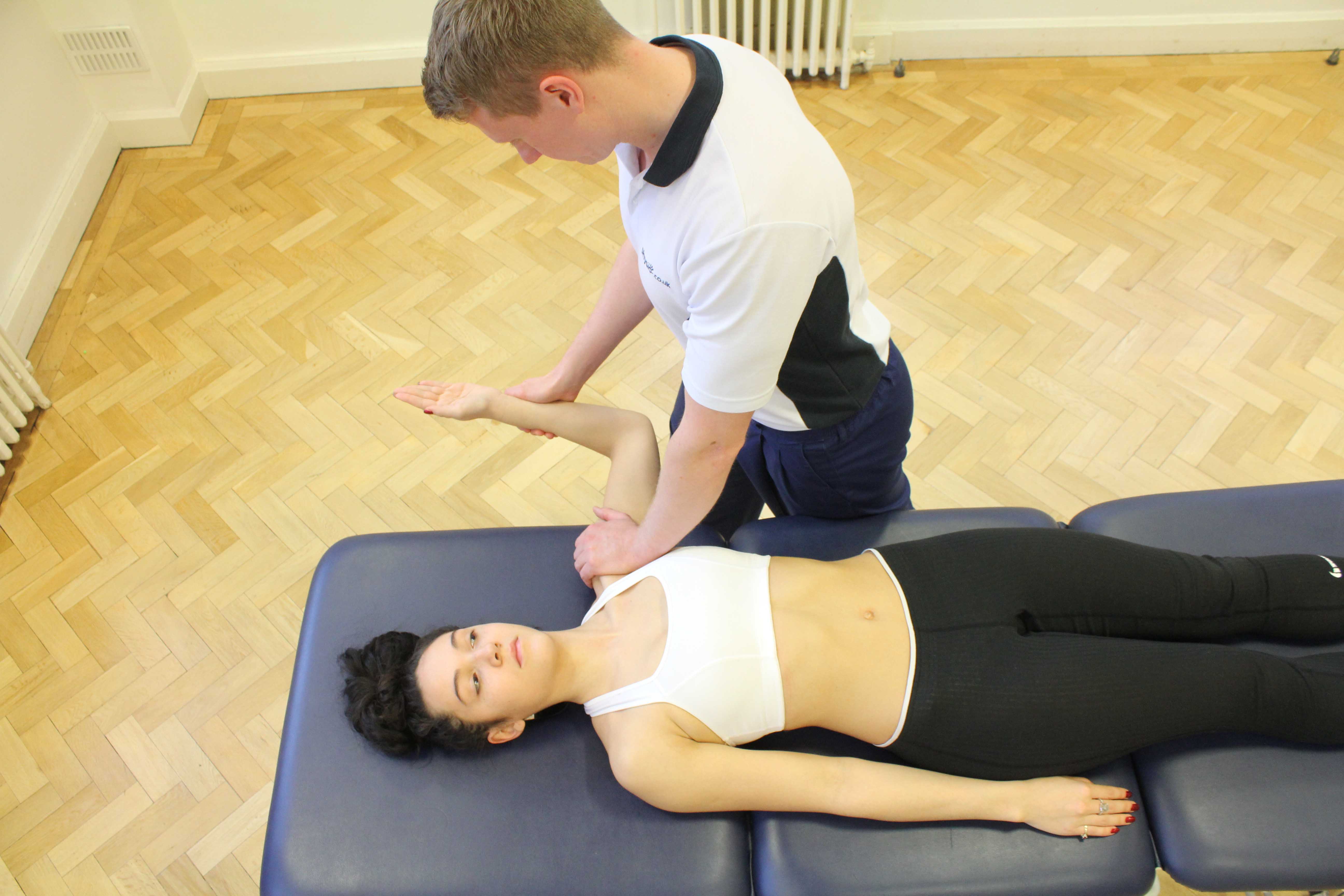 How Physiotherapy Can Help?
Physiotherapy plays an important role in both recovery and long-term prevention.
At Movement Science, we can help you:
✅ Identify the underlying cause of your shoulder pain
✅ Improve shoulder mobility and movement patterns
✅ Strengthen the rotator cuff and surrounding muscles
✅ Address postural and biomechanical factors
✅ Develop a personalised rehabilitation plan
✅ Return to work and daily activities with confidence
When Should You Seek Help?
If your shoulder pain has persisted for several weeks, is affecting your sleep, or is limiting your ability to exercise or perform daily tasks, it’s worth having it assessed.
Early intervention often leads to faster recovery and helps prevent ongoing shoulder problems.
Need Help with Shoulder Pain?
Our physiotherapy team at Movement Science can assess your shoulder, identify the source of your symptoms, and guide you through a personalised treatment plan.
(02) 8540 7319
[email protected]
Book online: www.movementscience.com.au