
Do you feel pain just below your kneecap when going downstairs, squatting, running, or after exercise?
You may be experiencing patellar tendinopathy, commonly known as Jumper’s Knee. This condition is increasingly common not only in athletes but also in people returning to exercise or increasing activity levels.
In this article, we’ll explain what patellar tendinopathy is, why it develops, and how physiotherapy can help you recover safely and return to movement with confidence.
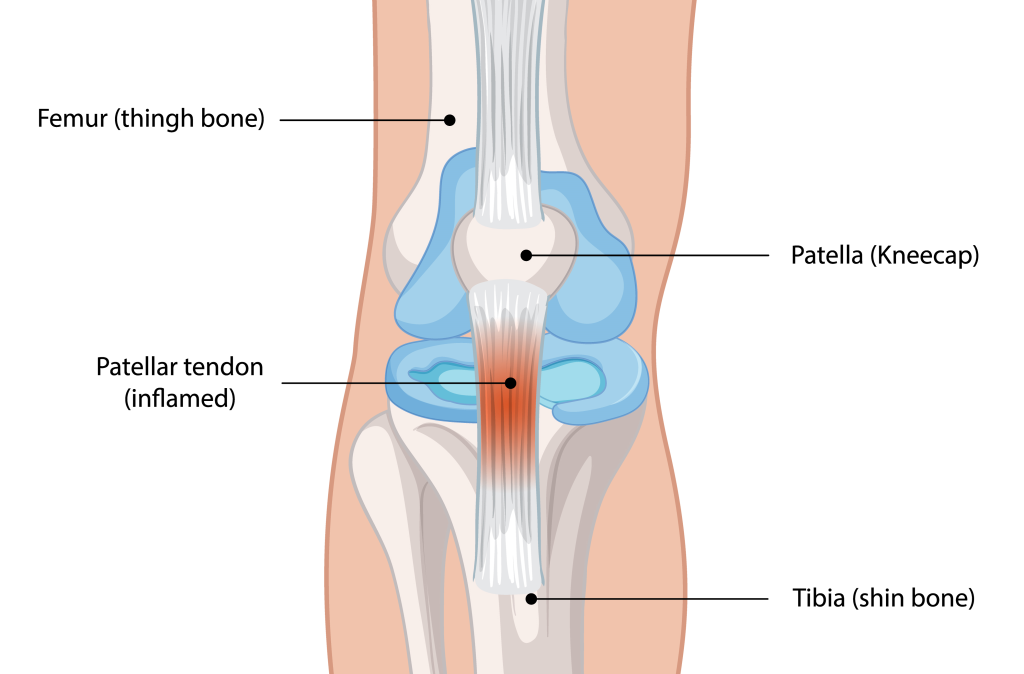 What is Patellar Tendinopathy?
The patellar tendon connects your kneecap (patella) to your shinbone (tibia). It plays an essential role in straightening the knee during movements such as walking, running, jumping, and climbing stairs.
Patellar tendinopathy occurs when the tendon becomes overloaded over time. Rather than a sudden injury, it usually develops gradually due to repetitive stress exceeding the tendon’s capacity to recover. This leads to tendon irritation, reduced load tolerance, and ongoing knee pain.
What Causes Patellar Tendinopathy?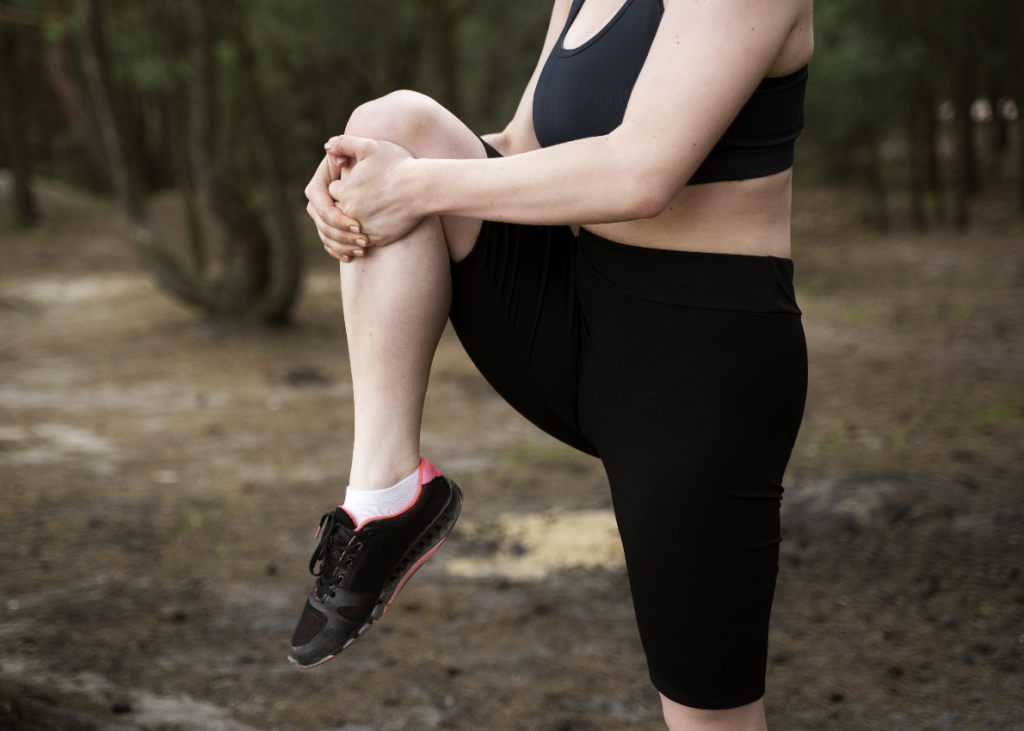
Patellar tendon pain is typically linked to repetitive loading and poor movement control.
Common contributing factors include:
- Sudden increase in training or activity levels
- Frequent jumping, running, or squatting
- Weak quadriceps or glute muscles
- Poor hip and knee alignment
- Reduced ankle mobility
- Inadequate recovery between exercise sessions
Even everyday activities, such as prolonged stair use or gym training, can contribute if the load increases too quickly.
 Common Symptoms
Symptoms often develop gradually and may worsen if ignored.
You may notice:
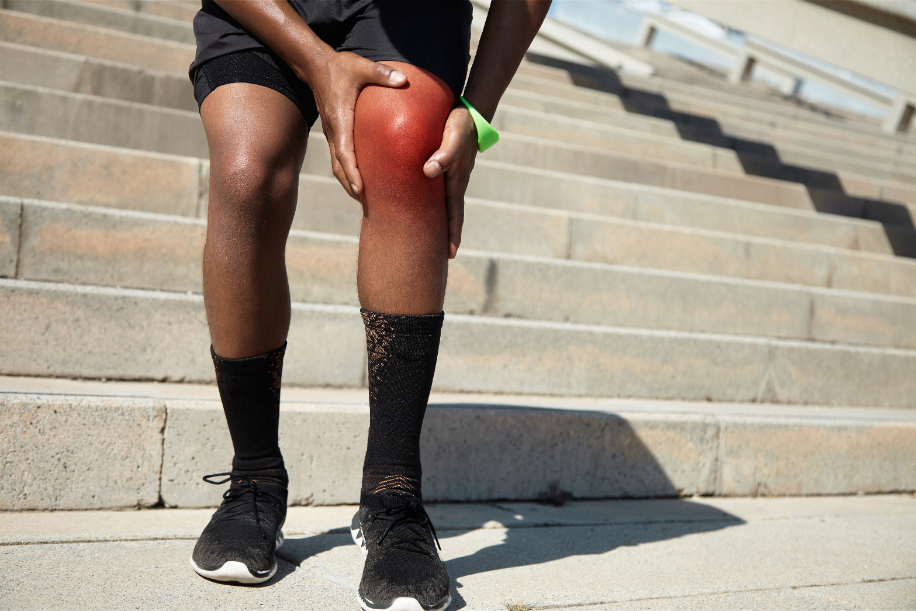
- Pain just below the kneecap
- Discomfort during squats, lunges, or stairs
- Pain at the start of activity that improves after warming up
- Stiffness after exercise or prolonged sitting
- Tenderness when pressing the patellar tendon
In early stages, pain may only appear after activity — but over time it can begin to affect daily movement.
Treatment Options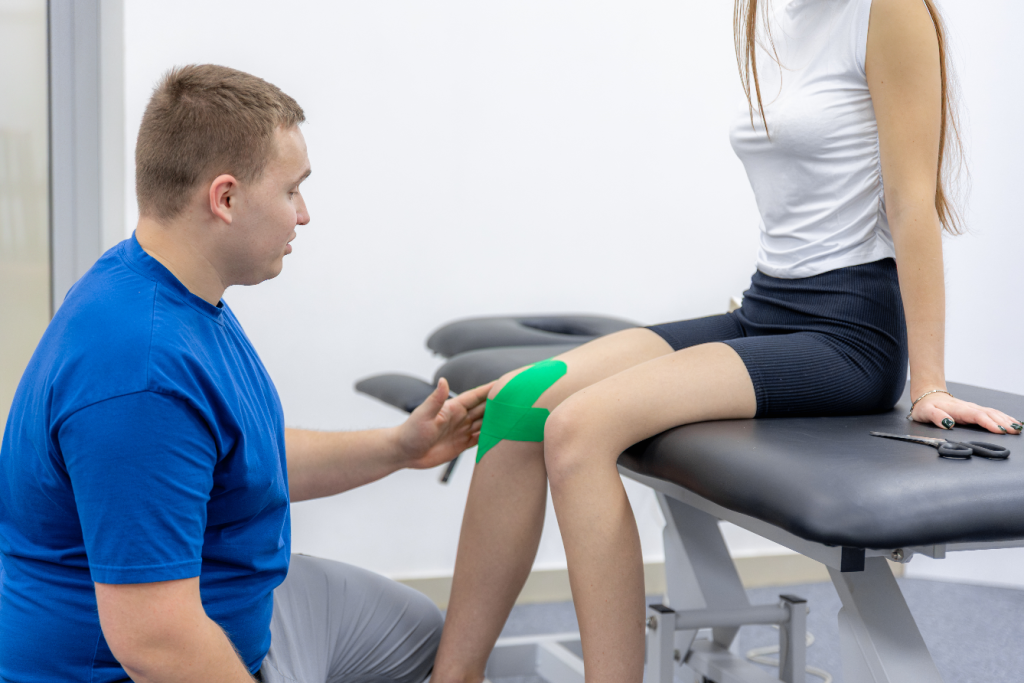
Successful treatment focuses on improving the tendon’s ability to tolerate load rather than complete rest.
Evidence-based management may include:
- Temporary modification of aggravating activities
- Progressive strengthening exercises
- Isometric and eccentric tendon loading programs
- Movement retraining
- Manual therapy or soft tissue treatment
- Gradual return-to-sport planning
Complete rest is rarely the solution — guided loading is key for tendon recovery.
 How Physiotherapy Can Help
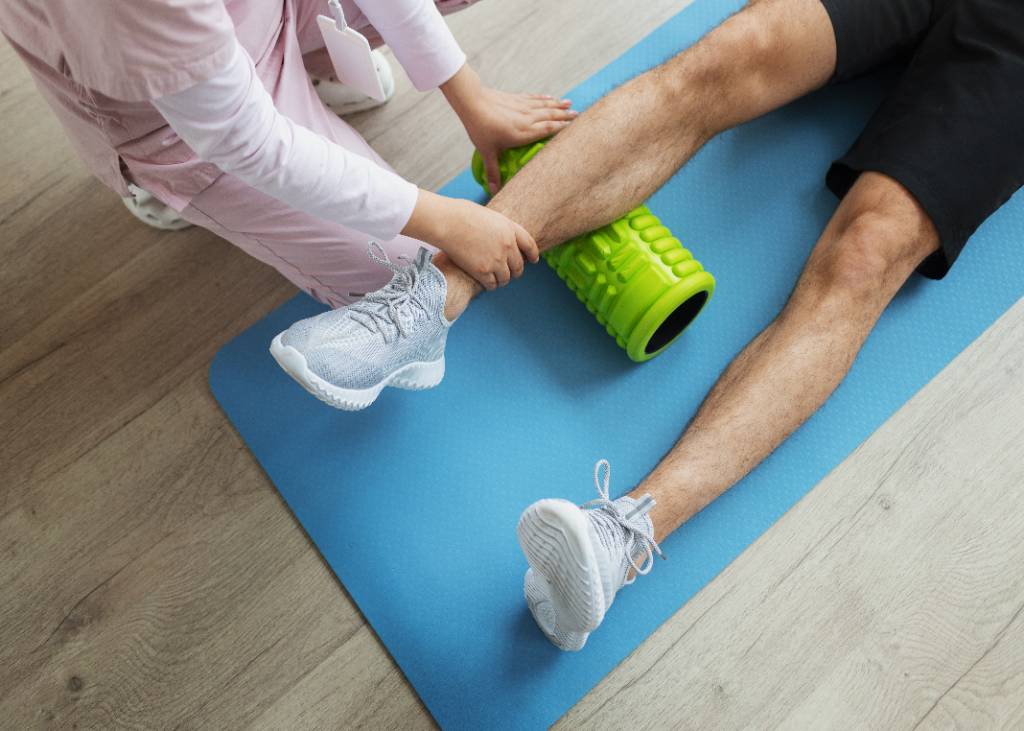
Physiotherapy plays a crucial role in both recovery and long-term prevention.
At Movement Science, we help by:
- Identifying underlying movement or strength deficits
- Designing a structured tendon loading program
- Improving hip, knee, and ankle mechanics
- Building quadriceps and glute strength safely
- Reducing recurrence risk
- Supporting safe return to sport or exercise
Every rehabilitation program is tailored to your goals — whether that’s returning to sport, gym training, or pain-free daily activity.
When Should You Seek Help?
If knee pain has persisted for more than a few weeks or continues to return with activity, early assessment can prevent long-term tendon issues.
Addressing the problem early often means faster recovery and better long-term outcomes.
Need Help with Knee Pain?
Our physiotherapy team at Movement Science can assess your knee and guide you through a personalised recovery plan.
(02) 8540 7319
[email protected]
Book Online: www.movementscience.com.au