
Have you ever twisted your knee suddenly while playing a sport or landing from a jump — and felt a pop, pain, or instability right after? You might have injured your ACL, one of the key stabilising ligaments in your knee.
Whether you’re an athlete, a weekend warrior, or simply navigating daily life, ACL injuries can significantly impact your mobility and confidence. Here’s what you need to know.
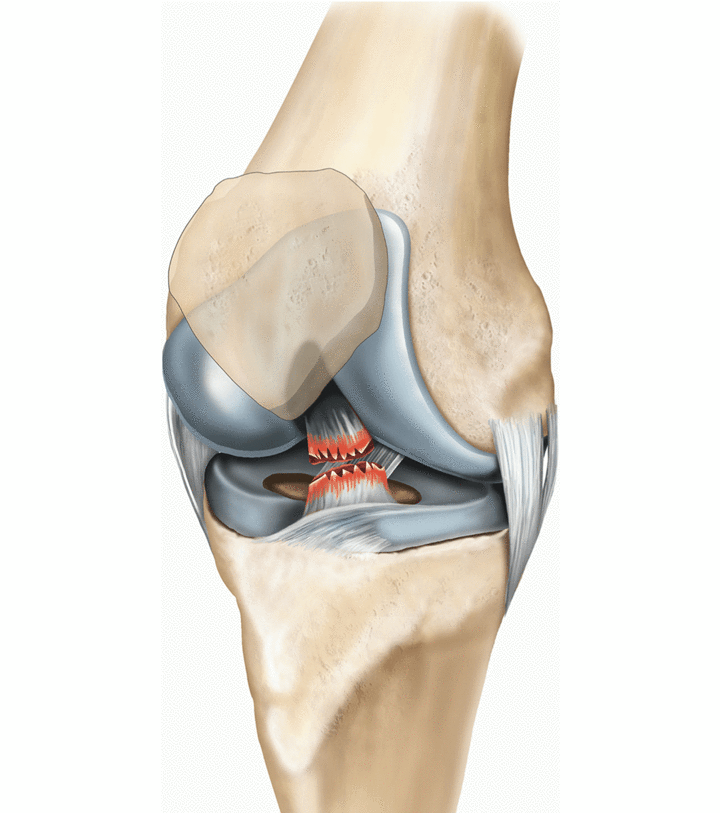 What is the ACL?
The anterior cruciate ligament (ACL) is one of four major ligaments in your knee. It connects your thigh bone (femur) to your shin bone (tibia) and helps stabilise the knee during movements like turning, pivoting, or changing direction quickly.
It plays a vital role in keeping your knee stable and aligned — especially in dynamic activities like sports, dancing, and hiking.
What Causes an ACL Injury?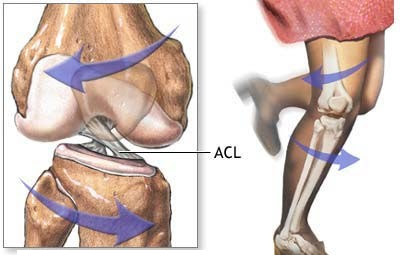
ACL injuries are common in sports that involve rapid deceleration, sudden stops, pivoting, or awkward landings. But they can also happen during everyday activities.
Common causes include:
- Twisting the knee while the foot is planted
- Sudden direction changes (e.g., during soccer or netball)
- Landing from a jump with poor control
- Direct impact to the knee (e.g., in rugby or skiing)
- Weak hip or core stability muscles
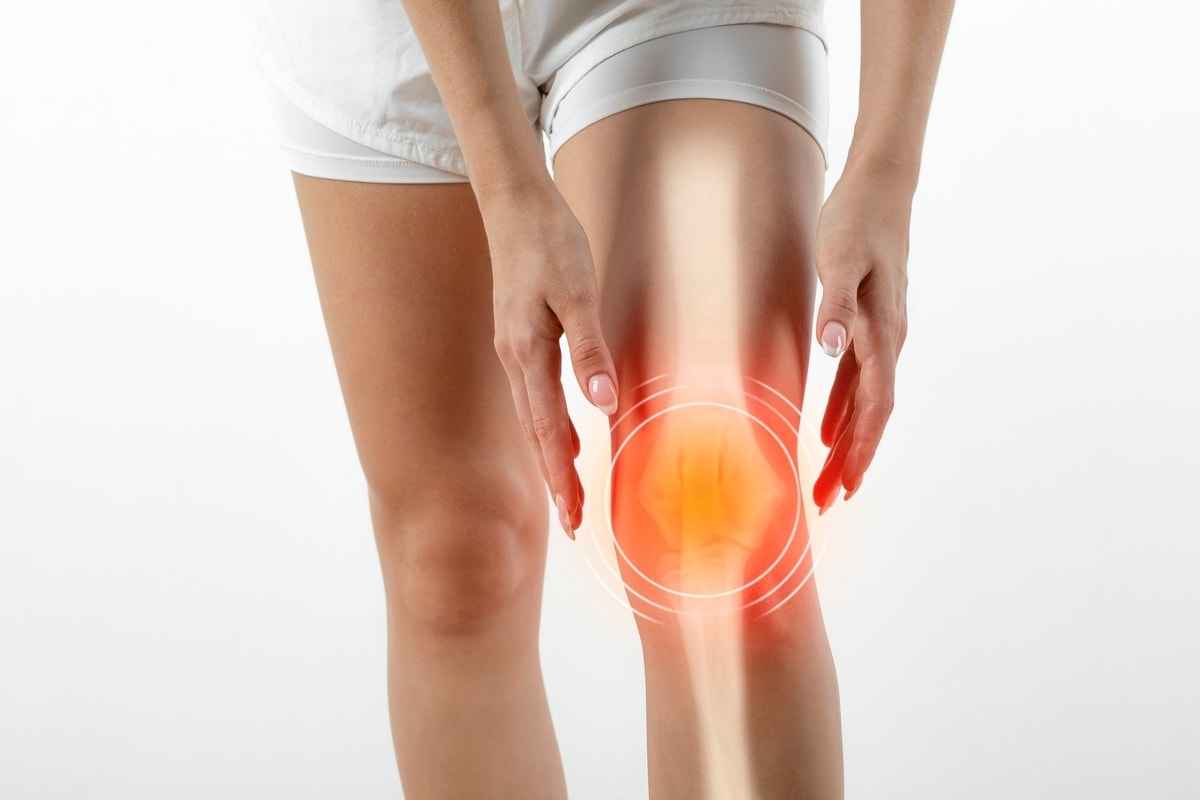 Common Symptoms of an ACL Tear
An ACL injury can range from a small sprain to a complete tear. If you’ve experienced any of the following, it’s worth getting assessed:
- A “pop” sound or feeling in the knee at the time of injury
- Rapid swelling in the hours following the event
- Pain and difficulty walking
- A sensation that the knee is unstable or “giving way”
- Limited range of motion or difficulty fully straightening the knee
Treatment Options: Do You Need Surgery? 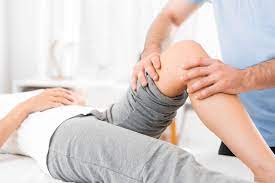
Treatment depends on the severity of the injury and your activity goals. Some ACL injuries respond well to physiotherapy, while others may require surgery.
- Partial tears: Often managed with structured rehabilitation and activity modification
- Complete tears: May require surgical reconstruction, especially for active individuals or athletes
- Rehabilitation is crucial in both operative and non-operative pathways
It’s important to follow a guided rehab program to regain strength, balance, and confidence before returning to sport or activity.
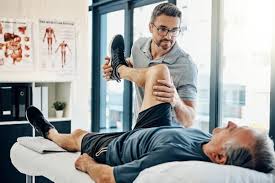 How Physiotherapy Can Help with ACL Injuries
At Movement Science, our physiotherapists are experienced in supporting ACL injury recovery from the early stages to return-to-sport readiness.
We can help you:
- Reduce pain and swelling
- Restore full knee range of motion
- Rebuild strength in your quads, hamstrings, and glutes
- Re-train balance, coordination, and proprioception
- Prepare for or recover from surgery
- Gradually progress you back to running, sport, or work with confidence
Take the First Step Toward Recovery
Early assessment and personalised rehab are the keys to long-term knee health.
If you suspect an ACL injury — or want to prevent one — our team is here to help.
???? Call us on (02) 8540 7319
???? Email: [email protected]
???? Or book online here