
If you’ve ever felt a sharp, stabbing pain under your heel when getting out of bed or after standing for long hours, you might be experiencing plantar fasciitis — one of the most common causes of heel pain.
In this post, we’ll explain what plantar fasciitis is, why it occurs, what symptoms to look out for, and most importantly, how physiotherapy can support your recovery.
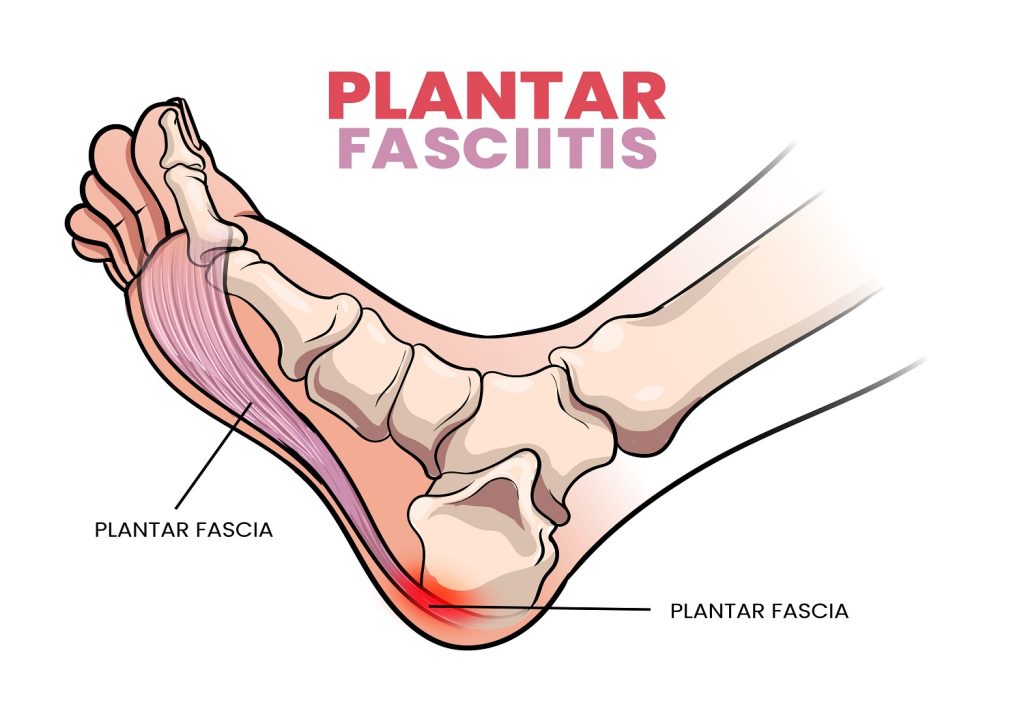
What is Plantar Fasciitis?
Your plantar fascia is a thick band of connective tissue that runs along the bottom of your foot, connecting your heel bone to your toes. Its job is to support your foot arch and absorb shock during walking and running. Plantar fasciitis occurs when this tissue becomes overloaded, irritated, or inflamed — typically due to overuse or poor foot mechanics. Contrary to its name, it’s not always a true “inflammatory” condition, but more often a degenerative or overload-related injury.
 What Causes It?
There’s usually no single cause, but several contributing factors include:
- A sudden increase in walking, running, or standing
- Wearing flat, unsupportive shoes
- Tight calf muscles or poor ankle mobility
- Standing on hard surfaces for long periods
- Flat feet or high arches
- Weakness in foot, hip, or core stabilisers
- Inadequate recovery after physical activity
Common Symptoms of Plantar Fasciitis
- Sharp heel pain, especially with the first steps
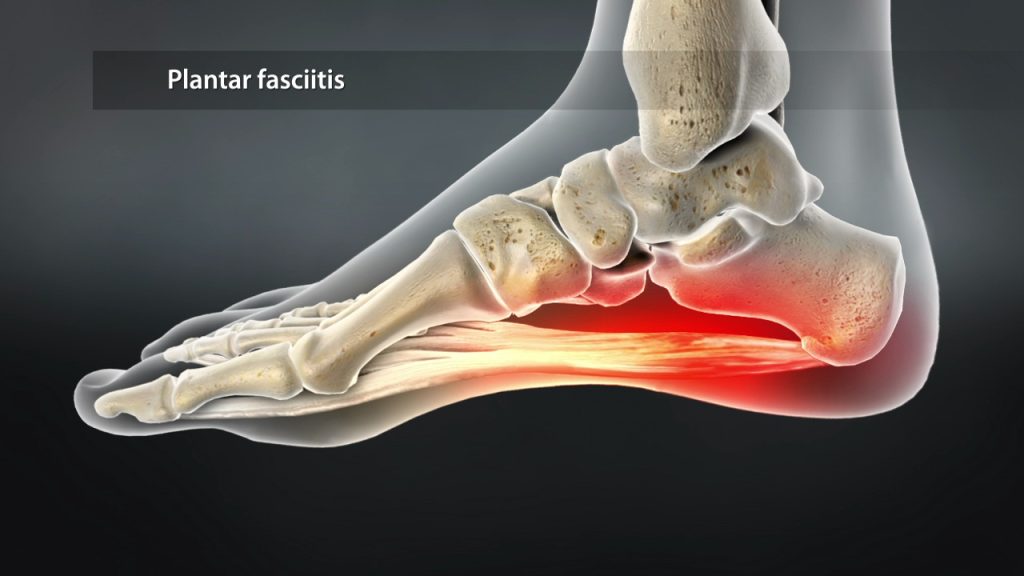 in the morning
 - Pain after long periods of rest, such as sitting or driving
- Discomfort when standing for long periods
- Tenderness along the bottom of the foot or near the heel
- Tightness or stiffness in the arch or Achilles tendon
- Pain may ease after warming up but often returns later in the day or after increased activity.
 Treatment Options
- Many people find relief with conservative management. Here are the most evidence-based approaches:
- Load management — Temporarily reduce aggravating activities (e.g. long walks, running)
- Eccentric calf strengthening and intrinsic foot muscle activation
- Soft tissue therapy, including massage and myofascial release
- Supportive footwear or custom orthotics
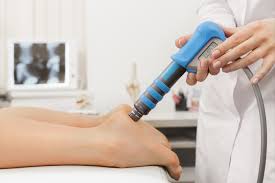
- Shockwave therapy for chronic or stubborn cases
- Gentle stretching of the calves and plantar fascia
How Physiotherapy Can Help
- A physiotherapist plays a vital role in both recovery and long-
 term prevention:
 - Identify root causes such as poor biomechanics or muscle weakness
- Create a tailored exercise program to load the plantar fascia safely
- Improve foot and ankle mobility
- Guide return to walking, sport, or activity
- Reduce the risk of recurrence
At Movement Science, our physios use a combination of manual therapy, exercise prescription, and progressive loading strategies to get you back on your feet — pain-free and confident.
Ready to Treat Your Heel Pain?
- If you’re struggling with foot pain or suspect plantar fasciitis, don’t wait for it to become chronic.
- Early treatment leads to faster recovery and less risk of future issues.
- Book a session with our experienced physiotherapy team today.
- Phone: (02) 8540 7319
Email: [email protected]
Book online