
Achilles tendinopathy is one of the most common causes of pain at the back of the ankle, especially in active individuals and runners. If you’ve noticed stiffness or discomfort in your heel or lower calf — especially first thing in the morning or after activity — it could be more than just a temporary strain.
In this blog post, we’ll walk you through what Achilles tendinopathy is, why it happens, and how physiotherapy can help you recover safely and get back to moving with confidence.
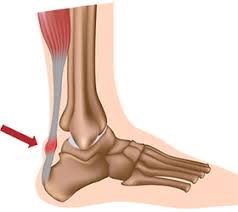 What is Achilles Tendinopathy?
Your Achilles tendon is the thick, strong band that connects your calf muscles to your heel bone. It’s essential for walking, running, jumping — basically, anything that involves pushing off your foot.
Achilles tendinopathy refers to a degenerative or overuse injury of this tendon. It’s not quite the same as a sudden rupture or tear — it usually develops gradually over time due to repetitive stress or improper loading. You may feel:
- Pain in the back of your ankle
- Morning stiffness
- Discomfort during or after activity
- A thickened or tender tendon
What Causes Achilles Tendinopathy? 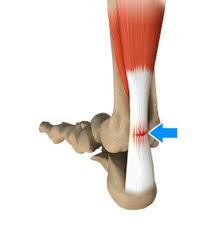
This condition is often related to overuse or improper loading of the tendon. Common contributing factors include:
- A sudden increase in running or activity level
- Poor ankle mobility or tight calves
- Weak glute or calf muscles
- Wearing unsupportive footwear (e.g. flat shoes or worn-out runners)
- Inadequate recovery between training sessions
It’s also more common in people with flat feet or altered foot biomechanics, and those over 35.
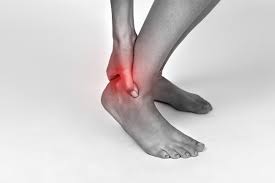 Common Symptoms
Achilles tendinopathy usually develops slowly and worsens over time if left untreated. Watch out for these key signs:
- Pain in the back of the heel or lower calf
- Stiffness in the tendon (especially in the morning)
- Tenderness when pressing the tendon
- Pain when walking, running, or climbing stairs
- Thickening of the tendon or a nodular feel to the touch
These symptoms often start mild but can limit your activity if not addressed early.
Treatment Options
Effective treatment requires both symptom relief and long-term tendon reconditioning. Common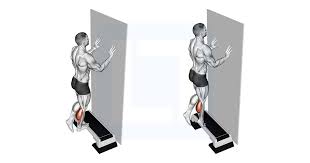 approaches include:
- Load management – temporarily reducing aggravating activity
- Eccentric strengthening exercises – such as heel drops off a step
- Manual therapy – including soft tissue work and dry needling
- Footwear assessment – switching to more supportive shoes or using orthotics
- Shockwave therapy – used for persistent or chronic tendinopathy cases
Early diagnosis and treatment are key to preventing long-term issues like tendon rupture or chronic pain.
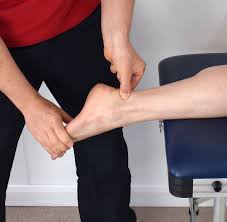 How Physiotherapy Can Help
Physiotherapists are experts in tendon loading and movement optimisation. At Movement Science, we can help you:
✅ Accurately diagnose and assess your tendon health
✅ Identify underlying factors (e.g. weak glutes, poor ankle mechanics)
✅ Build a graded loading plan to safely reintroduce activity
✅ Improve calf strength and ankle stability
✅ Prevent recurrence and support your return to sport or daily life
Whether you’re a runner, gym-goer, or just someone who wants to walk pain-free, personalised physiotherapy can make a real difference.
Need Support?
If heel pain is slowing you down, don’t ignore it — we’re here to help.
Our physios can assess your Achilles and guide you through every step of recovery.
(02) 8540 7319
[email protected]
Book Online Now