
Ankle injuries are incredibly common, especially among active individuals or those navigating uneven surfaces. One of the most frequently affected structures is the ATFL (anterior talofibular ligament) — a key stabiliser on the outside of the ankle. In this blog post, we’ll explore what the ATFL does, how it gets injured, and how physiotherapy plays a vital role in recovery.
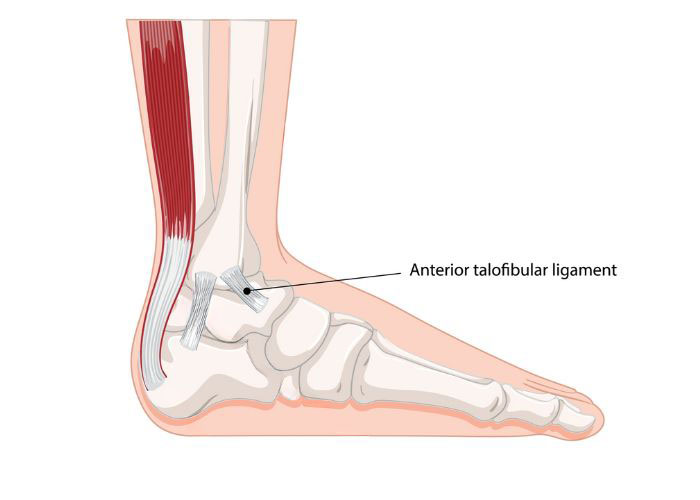 What Is the ATFL?
The anterior talofibular ligament is one of the three main lateral ligaments of the ankle. It connects the fibula (the smaller bone of the lower leg) to the talus (one of the foot bones). Its main job is to prevent your ankle from rolling too far forward or inward, especially during walking, running, or jumping.
Unfortunately, this ligament is also the most commonly sprained ligament in the body, particularly during a typical “rolled ankle” injury.
Common Causes of ATFL Sprain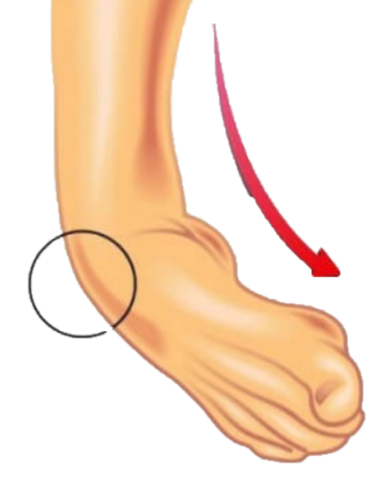
An ATFL sprain usually happens when the foot rolls inward too quickly — a motion called inversion. Common causes include:
- Twisting your ankle during sport or exercise
- Landing awkwardly from a jump
- Stepping on an uneven surface
- Wearing unstable footwear (e.g. high heels, flip flops)
- Lack of ankle strength or stability
Athletes involved in netball, soccer, basketball, or trail running are especially prone to these injuries.
 What Are the Symptoms?
If you’ve sprained your ATFL, you might notice:
- Sharp pain on the outside of the ankle
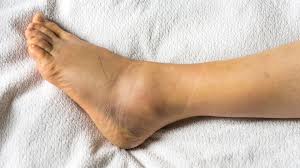
- Swelling and bruising within hours
- Tenderness over the ligament
- A feeling of your ankle being unstable or “giving way”
- Difficulty putting weight on the foot or walking normally
In some cases, the injury may seem mild at first, but improper treatment can lead to chronic ankle instability.
Treatment Options
Treatment depends on the severity of the sprain:
- Mild sprains: RICE protocol (Rest, Ice, Compression, Elevation), followed by gentle movement and loading.
- Moderate sprains: May benefit from strapping or ankle bracing, and a structured rehab program.
- Severe sprains: Could require imaging (like an MRI) and referral to an orthopaedic specialist.
Tip: The sooner you start rehab, the better your outcomes. Delaying treatment can prolong recovery and increase the chance of future injuries.
 The Role of Physiotherapy
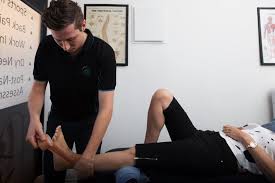
Physiotherapists are highly skilled in managing ATFL injuries. A tailored physio program will help you:
Control pain and reduce inflammation
Restore ankle range of motion
Strengthen key stabilising muscles (peroneals, calves)
Improve balance and proprioception (your body’s sense of position)
Return to sport or daily activities with confidence
Your physio will also guide you on safe progression, footwear recommendations, and ankle taping (if needed).
Don’t Let a Sprained Ankle Slow You Down
Whether your injury is fresh or lingering, proper rehab makes all the difference. If you’re dealing with ankle pain, instability, or just want to prevent future sprains — we’re here to help.
Book your physiotherapy appointment today and get back on your feet, stronger than before!
Book Online Here or call us at 02 8540 7319