
“Why can’t I lift my arm anymore?”
If you’ve been dealing with nagging shoulder pain that gradually worsens and restricts your movement, you might be experiencing frozen shoulder – a condition that can sneak up on you and take months, even years, to resolve. At Movement Science, we see many patients struggling with this frustrating condition — but with the right treatment, recovery is absolutely possible. In this blog, we’ll break down what frozen shoulder is, why it happens, how to spot it early, and what you can do to manage it effectively.
 What Is Frozen Shoulder?
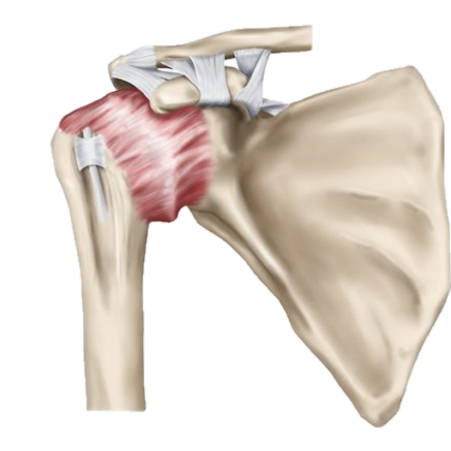
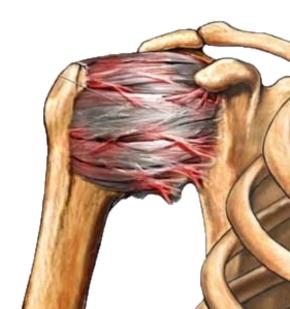
Frozen shoulder, also known as adhesive capsulitis, is a condition where the shoulder becomes stiff, painful, and difficult to move. It happens when the connective tissue around the shoulder joint becomes thickened and tight, limiting motion and causing discomfort.
What Causes Frozen Shoulder?
- Prolonged immobility (e.g., after surgery, injury, or stroke)
- Diabetes – people with diabetes are more likely to develop it
- Thyroid disorders or heart disease
- Most common in women over 50

Symptoms of Frozen Shoulder
Frozen shoulder typically develops in three stages:
- Freezing Stage: Gradual onset of shoulder pain, increasing difficulty with movement
- Frozen Stage: Pain may lessen, but stiffness becomes more severe and daily activities can become challenging
- Thawing Stage: Slow improvement in range of motion, shoulder function gradually returns
The entire process can take 1 to 3 years to fully resolve.

How to Treat Frozen Shoulder
- Physical therapy and stretching exercises – the most important part of recovery
- Anti-inflammatory medications (e.g., ibuprofen)
- Steroid injections to reduce inflammation
- In rare cases, surgery or joint manipulation under anesthesia may be recommended
Myths & Facts About Frozen Shoulder
| ❌ Myth | ✅ Fact |
|---|---|
| Only people in their 50s get frozen shoulder | It’s more common in ages 40–60, but anyone can get it |
| Treatment doesn’t work – you just have to wait | Physical therapy and medication can reduce pain and speed recovery |
| It’s the same as arthritis | Frozen shoulder affects the joint capsule, not the cartilage |
| Once it goes away, it’s gone for good | It can return, often in the other shoulder — prevention is important |
| All shoulder pain = frozen shoulder | Could be a rotator cuff tear, impingement, or another issue — proper diagnosis is key |
Don’t Let Shoulder Pain Hold You Back
If you suspect you might have frozen shoulder, or you’ve been living with shoulder pain that isn’t improving, don’t wait it out.
Book an appointment with one of our experienced physiotherapists at Physioclinic today.
Early diagnosis and the right treatment plan can significantly reduce your recovery time and get you back to doing the things you love.